
The Economics of Sustainable Forestry
by Mary Ann Buenzow
We’re starting a new series in the newsletter, exploring our mission: To utlilize the forest to demonstrate and interpret the ecological, economic, cultural, and social benefits of sustainable forest stewardship to the people of Wisconsin. First up, let’s talk about forest economics with FEC’s volunteer vice president and retired DNR forester Mary Ann Buenzow.
What do you think of when we say “economic benefits” of forestry? Do your thoughts turn to chainsaws, logging trucks, and vast clearcut wastelands? The early days of logging in Wisconsin, in the late 19th and early 20th centuries, were dominated by timber barons who clearcut old growth forests without regard for the future. The economics of forest management were prioritized over ecological, aesthetic, and social benefits. The stereotype of a selfish and short-sighted forest industry that makes money from harvesting trees persists: The forest is ravaged and ruined, the habitat destroyed, the property value gone – all for the sake of a check from a logger.
Part of the mission of the FEC is to demonstrate and explain the benefits – especially economic – of forestry, so I’m here to set the record straight. I spent a 35-year career as a forester with the Wisconsin Department of Natural Resources, advising private landowners and managing state-owned woodlands following sustainable forestry practices. First and foremost, it is important to understand that we now know that trees can be harvested from a forest without the forest being destroyed. Cutting trees isn’t necessarily a bad, or selfish, thing. In fact, if done correctly, harvests can be immensely beneficial to forests. I believe that sustainable management of our forests greatly benefits the landowners, the forests, and all the citizens of Wisconsin.
Today, much of the logging that happens here in Wisconsin and elsewhere is based on a long history of science-based, sustainable forestry practices. Trees are harvested in a way that preserves this wonderful renewable resource while providing for the great demand of forestry products.
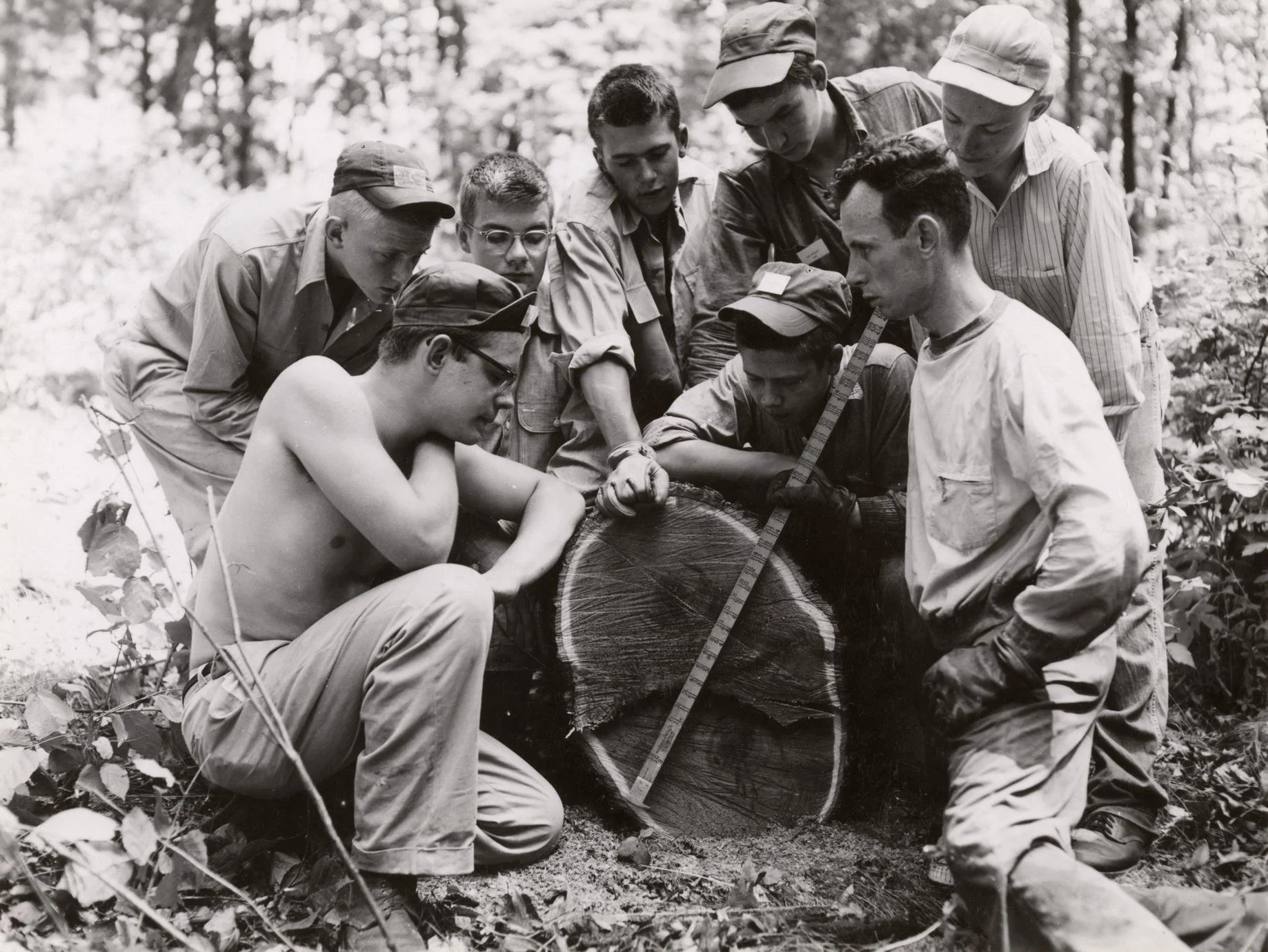
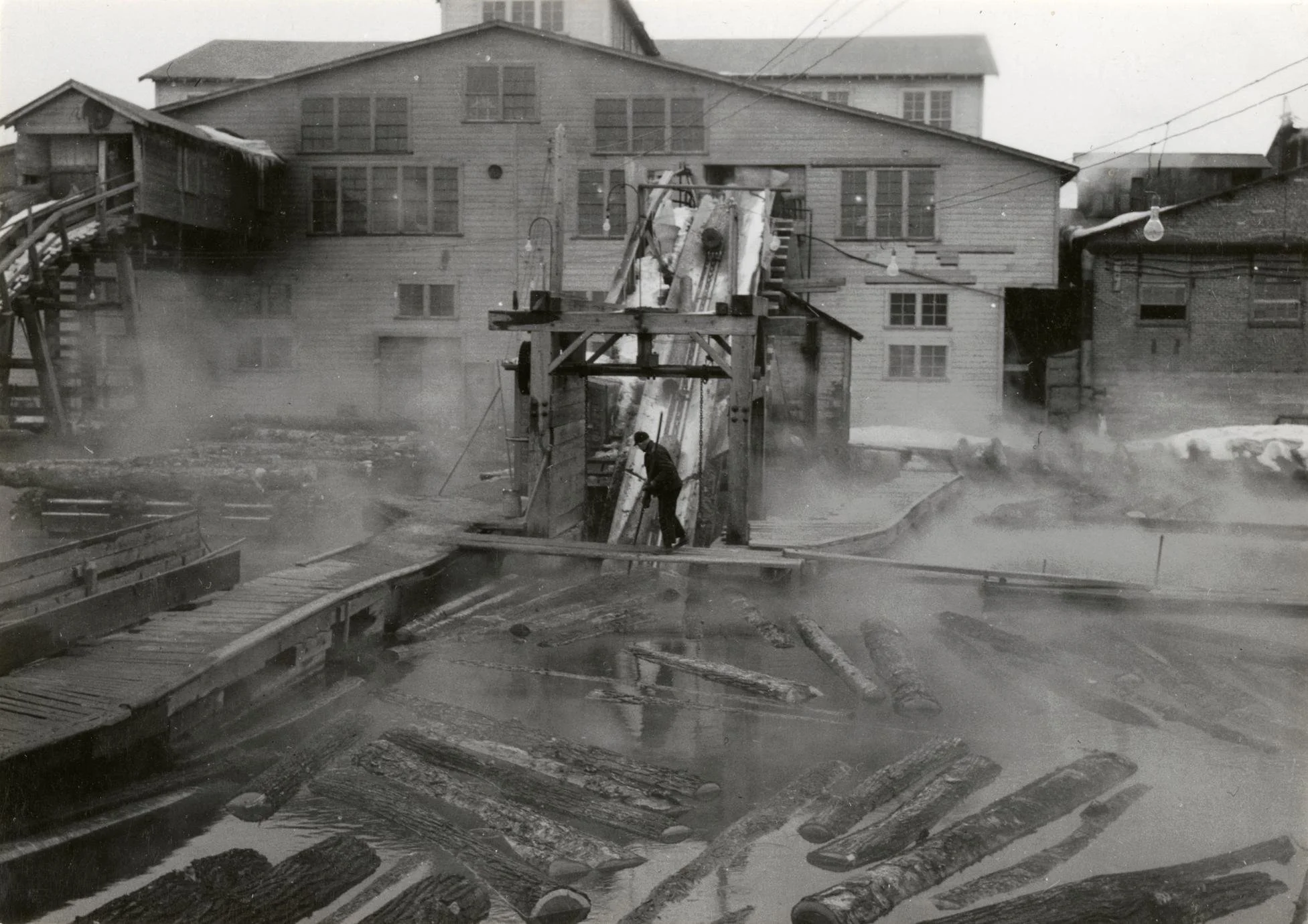
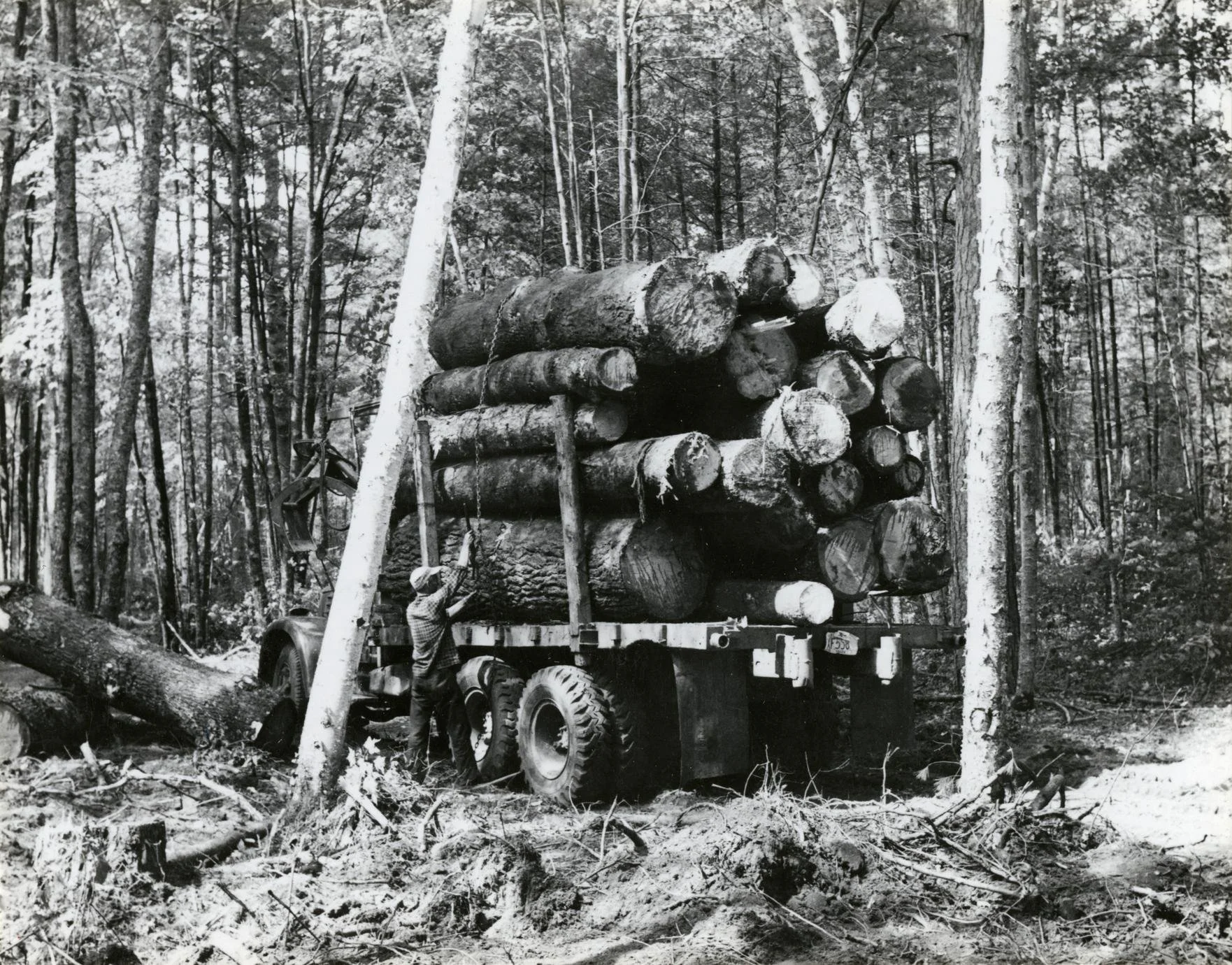
Our own beautiful Forest Exploration Center woodland has a history of harvests. Prior to European settlement, local Native Americans no doubt utilized the forest for its resources – food, fuel, and shelter. As Euro-American settlers moved into this area, this property was split among several owners. The forest was used by them as a source of lumber, as fuelwood, and as pasture for their livestock. While the woodland is no longer used in this way, it’s also not a “virgin forest.”
It is a curious quirk of human nature that we can demand and consume products from the forest on a daily basis, while simultaneously disparaging the evils and greed of logging. So, if forest economics isn’t only about cutting trees for profit, what IS it about? As with most issues, it’s complicated.
Do you remember the popular TV series The Office? Characters at the fictional Dunder Mifflin Paper Company (aside from entertaining us) make their living selling office supplies, primarily paper products. As we all learned in elementary school, paper is made from trees. I will use this as one example of a highly beneficial family of forest products – paper goods. The fictional staff at Dunder Mifflin are middlemen and women employed in a supply chain that starts in the forest. Think of how many times a day you rely on something made from paper. From your morning coffee filter (or insulated take-out cup), to tissue, toilet paper, napkins, hand towels, food boxes/wrappers – you likely have consumed quite a bit of paper before you even arrive at work or school! Think about the supply chain, workers and economic outputs and inputs involved in bringing these paper products to us.
Trees grow in a forest – sometimes these forests are a result of natural regeneration, sometimes they are planted. Seedlings for plantations come from nurseries, which require seed collection, plant propagation, seedling lifting, packaging, and shipping – all needing workers to make it happen. Trees that grow from natural regeneration (sprouting from seeds, roots, or stumps) are often managed and nurtured by landowners or land managers. When trees reach the end of their life span, they can be harvested to make way for the next generation of trees. When trees in a stand become overcrowded, some of the trees can be selectively removed to benefit the trees that remain in the stand.
When harvesting some, or all, of the trees in a stand becomes beneficial, a forester will implement an appropriate harvest prescription by determining the boundaries of the stand and by designating which trees will be cut, as well as when and how. Next, a timber buyer purchases the timber sale. Workers use specialized equipment to safely and carefully harvest the trees. Truck drivers haul the wood to a mill. Workers process the wood into pulp, which is made into many specialized paper products: cardboard, corrugated board, newsprint, high gloss, treated/coated papers, tissue, diapers, copy paper, printed packaging, etc. All of the jobs in these processes are done by our friends, neighbors, and family members right here in Wisconsin. Even more jobs are enhanced as these products make their way to us as consumers (delivery drivers, store owners, baristas, fast food workers, etc.). Wisconsin is the top paper-producing state in the United States. Our economy would be significantly negatively impacted without the jobs and the value-added income from these products.
Back to the forest. What happens after trees are harvested? If the harvest was done in a sustainable manner, it will continue to be a productive forest. Trees will resprout and grow back (in the case of an aspen clearcut), be replanted (in cases where desirable trees won’t naturally regenerate), or the remaining trees (in cases where the stand was thinned) will grow larger and stronger, and capture great amounts of carbon from the atmosphere. These forests will continue to provide wildlife habitat and recreational benefits. They will continue to produce oxygen, filter the air and water, and reduce soil erosion. They will continue to be beautiful. Yes, trees were cut. Yes, people made money. But when harvests are done using sustainable forestry practices, there are many wins – jobs, renewable and recyclable products, and a healthier, productive forest for future generations.
As generations of humans evolve and turn over, so do our forests. Could forests survive without people? Yes. Could people survive without forests? You tell me.
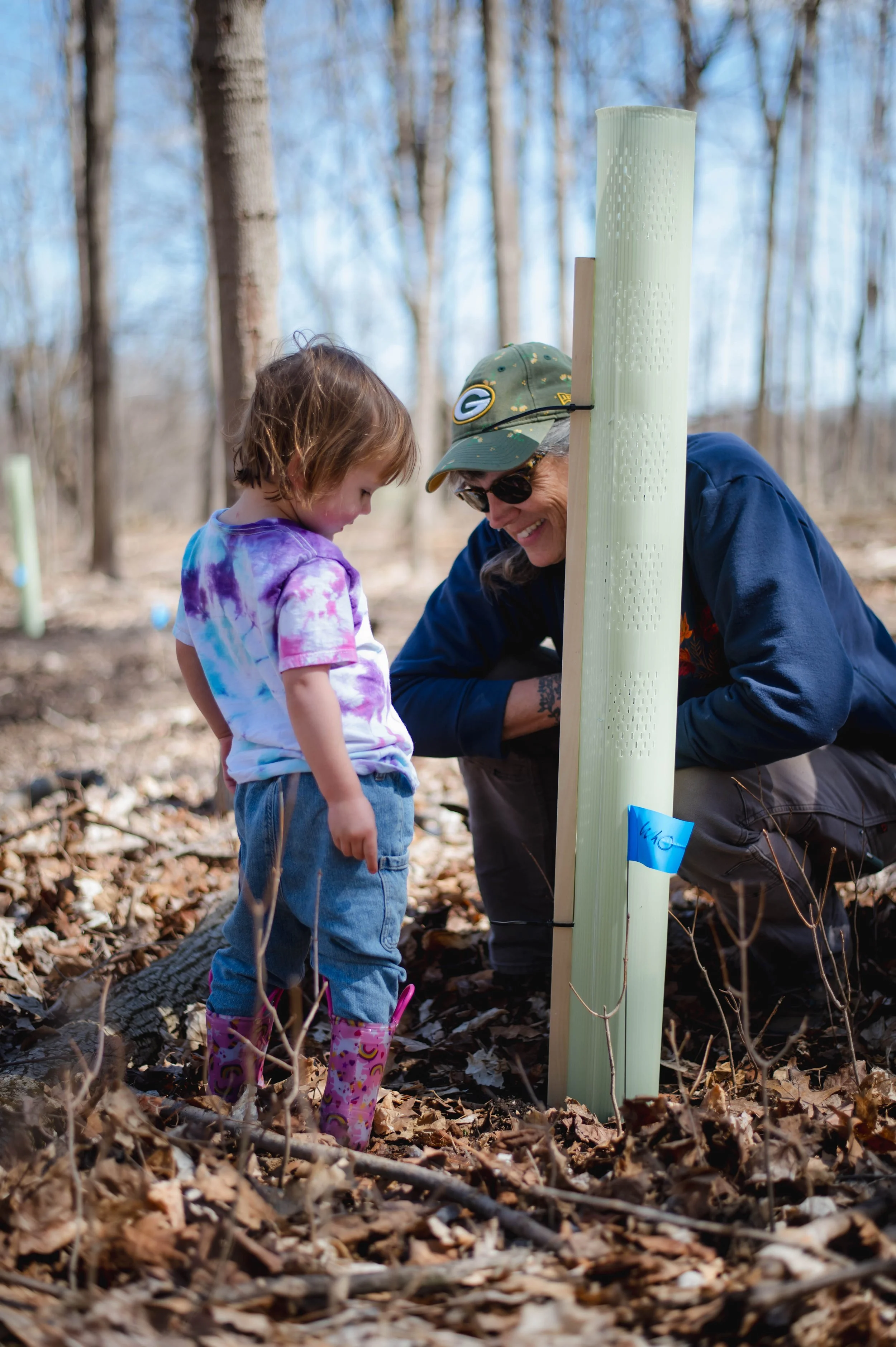
Mary Ann Buenzow teaching her granddaughter the value of planting trees at the Forest Exploration Center in 2024. Photo credit: Danielle Pahlisch